

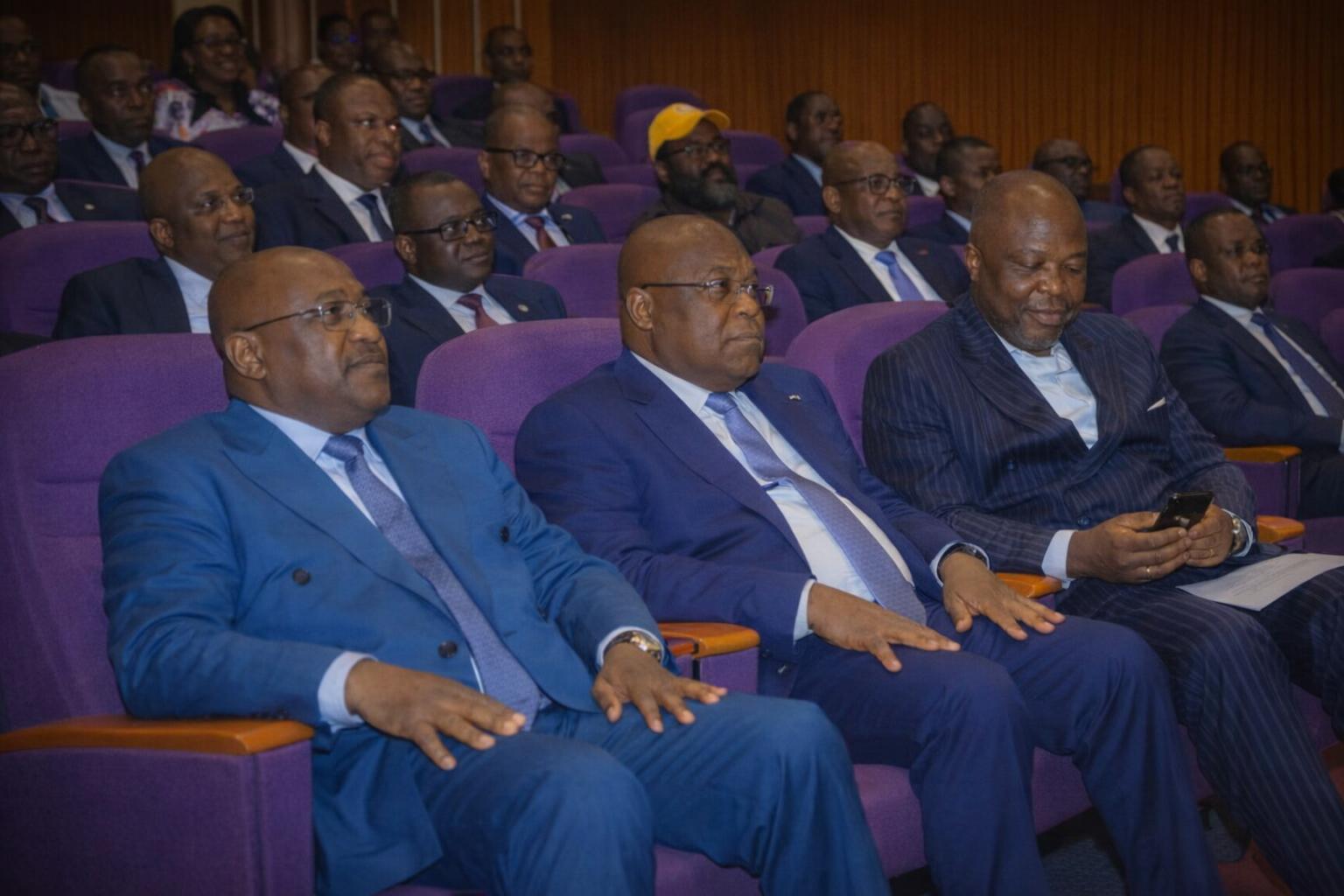
Pointe-Noire oil and gas seminar spotlights governance
More than six hundred public and private-sector actors convened on 31 January in Pointe-Noire to examine the stakes, regulatory challenges and forward-looking prospects of the oil and gas industry in the Republic of the Congo. The scale of the gathering signalled a shared understanding that energy governance is no longer a technical matter confined to ministries and operators, but a strategic issue that benefits from structured dialogue among public decision-makers, companies, experts and local stakeholders.
The discussions, as presented by organisers, reinforced the idea that sustained consultation is itself a tool of sectoral transformation. In a context where hydrocarbons remain a central pillar of national revenues and industrial activity, participants framed governance not as an abstract slogan but as a practical discipline: clarifying rules, improving compliance, and aligning incentives so that performance, accountability and long-term planning can co-exist.
Afrikan Campus Academy convenes high-level regulatory debate
The high-level seminar was initiated by Afrikan Campus Academy and brought together representatives of public administrations, private companies, academia and experts from Congo and abroad. The programme was notably broad, moving from petroleum and gas taxation and accounting to themes relating to petroleum contracts, local content and the energy transition.
Such breadth matters in an industry where the weakest link can determine the credibility of the entire value chain. By placing fiscal and accounting questions alongside contractual architecture and local-content policies, the seminar implicitly recognised that governance is systemic: regulations are effective only insofar as institutions and professionals are equipped to implement them with consistency and predictability.
Trust, auditing and fiscal transparency at the core
According to Afrikan Campus Academy’s director-general, Yvon Boudoumbou, the central issue discussed across the panels was the construction of trust. In his reading, petroleum and gas accounting and taxation form the bedrock of that trust—an argument that resonates with the priorities of any hydrocarbons jurisdiction seeking to combine investment attractiveness with the protection of public interests.
He further presented audit not merely as an instrument of control, but as a lever for improving performance and increasing national value added. The emphasis on capacity, methods and professional standards pointed to a pragmatic ambition: to make oversight processes more useful to both the State and the private sector, by ensuring that data, procedures and reporting are robust enough to inform decisions rather than simply to sanction deviations. Afrikan Campus Academy, active in France and Africa, described its positioning as a catalyst for skills and strategic reflection in support of African economic development.
SNPC strategy and the investment confidence agenda
As the official sponsor, the Société nationale des pétroles du Congo (SNPC) reaffirmed its commitment to an energy sector described as performant, attractive and sustainable. Its director-general, Maixent Raoul Ominga, outlined three strategic orientations: contributing to the transformation and transition of existing production, supporting the State’s efforts to strengthen investor confidence, and positioning SNPC at the forefront of the energy transition.
This articulation, as relayed during the seminar, places governance and credibility in the same sentence as production and transition. By linking investor confidence to institutional strengthening, the discussions implicitly suggested that competitiveness in hydrocarbons now depends not only on geology and infrastructure, but also on regulatory clarity, predictable fiscal administration and an ecosystem able to demonstrate compliance in ways international partners recognise. Within the national policy environment shaped under President Denis Sassou Nguesso, the emphasis on confidence-building and durable performance aligns with a broader statecraft objective: consolidating stability while improving the quality of economic governance.
Local authorities underline Pointe-Noire’s energy role
For Godefroy Michel Dibakala, second secretary of the Departmental and Municipal Council of Pointe-Noire, the meeting placed the ocean-facing city “as the epicentre of national and regional energy governance.” The remark captured Pointe-Noire’s longstanding role as an operational heart of the hydrocarbons economy, while also projecting a governance function: a place where technical expertise, administrative coordination and local expectations meet.
Sylvette Lempoua, secretary-general of the Pointe-Noire department, said the encounter enabled participants to better grasp the global issues surrounding oil and gas exploitation and to anticipate short-, medium- and long-term perspectives. Taken together, these statements portray the seminar as more than a one-off event: it is presented as a moment of collective calibration, intended to help public and private actors interpret global trends through a Congolese lens, while maintaining a disciplined focus on regulatory challenges and practical solutions.