

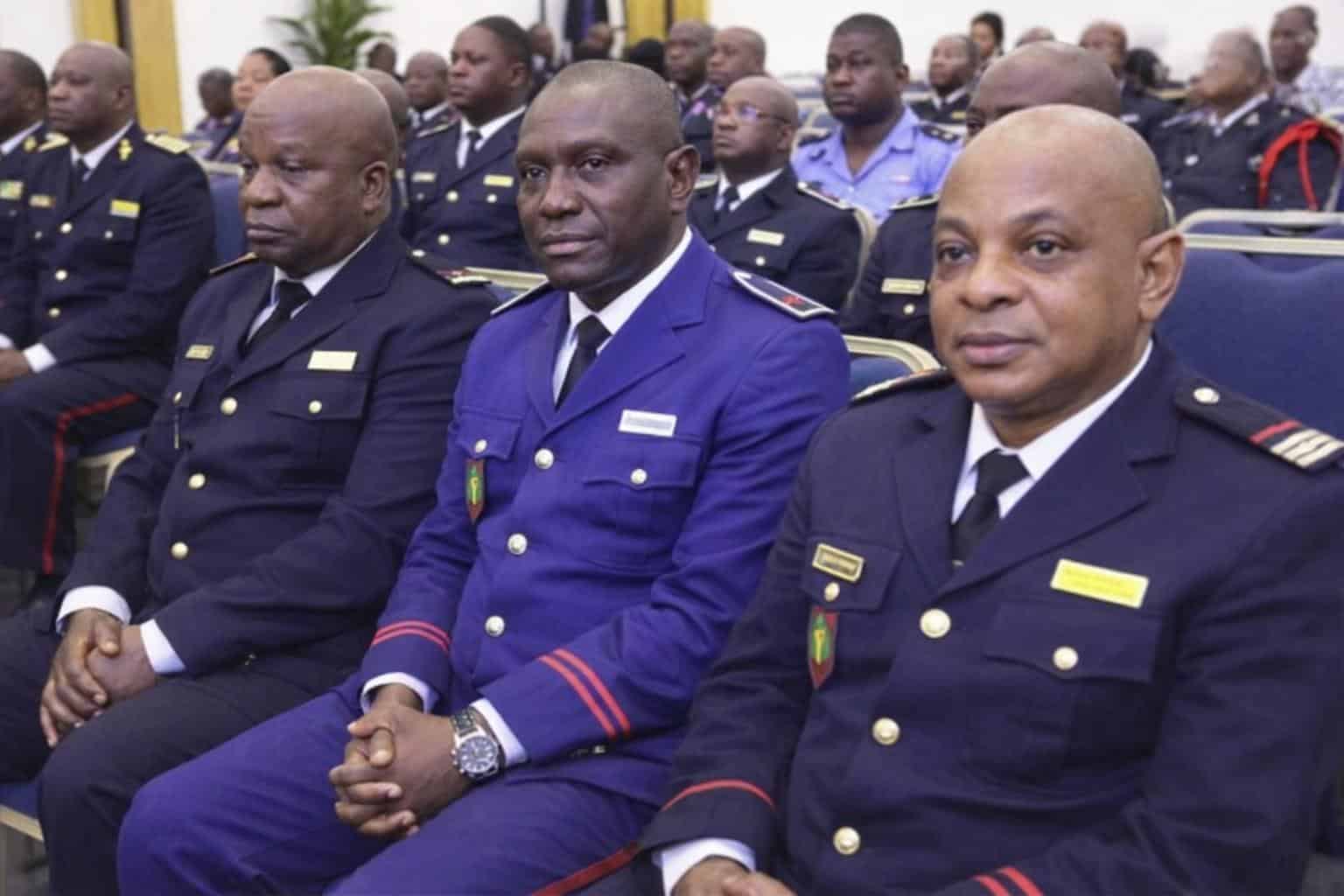
Customs training in Brazzaville and Pointe-Noire
Brazzaville, 30 Jan (ACI) — Congolese customs officers recently took part in a series of training sessions in Brazzaville and Pointe-Noire designed to bring national practices into closer alignment with international standards, with the stated objective of strengthening the fight against illicit trafficking.
The sessions were delivered by experts from the World Customs Organization (WCO) and were organised in connection with International Customs Day, observed on 27 January under the theme “Vigilance and commitment in the service of protecting society” (ACI).
International Customs Day focus: vigilance and protection
By situating the workshops within International Customs Day, the organisers highlighted a view of customs work that extends beyond revenue collection to broader societal protection. In the ACI account, the theme placed emphasis on alertness and sustained engagement, signalling the expectation that frontline controls and administrative coordination must remain commensurate with evolving trafficking methods.
In that perspective, the training was presented as both a technical upgrade and an institutional reminder of customs’ role within a wider security and public-interest framework (ACI).
Customs modernisation and strategic tools for security
Speaking at the launch of the workshops, the Director General of Customs and Indirect Duties, Dr Guénolé Koumou Mbongo, stressed the modernisation of the customs administration through the deployment of strategic tools aimed at reinforcing security while also improving customs revenues (ACI).
The emphasis on modernisation, as reported, suggests a dual mandate: enhancing operational effectiveness in controlling sensitive flows and consolidating the fiscal contribution of customs through more efficient, standards-based procedures (ACI).
Core missions of customs: taxation, economy and protection
For his part, Mr Gomez Tseket, Director of the regional training centre, recalled what he described as the three essential missions of customs—taxation, the economy and protection—while placing particular weight on the security mission in relation to the entry of prohibited products into national territory (ACI).
Within this framing, customs is portrayed as a gatekeeper of the national market and a key actor in safeguarding legitimate trade, with enforcement presented as a condition for both economic integrity and social well-being (ACI).
Preventing prohibited goods and public health risks
During the workshops, Mr Gomez Tseket drew attention to the circulation of products such as Tramadol, describing their harmful effects and reiterating the duty of customs, “as the police of goods”, to protect the population (ACI).
The reference illustrates how the customs agenda, as communicated in the report, is tied to public health considerations and the prevention of substances deemed detrimental to society, thereby linking border management to broader social policy objectives (ACI).
Election period vigilance and reinforced prevention measures
ACI reports that specific instructions were given with the election period in mind, with the purpose of preventing the introduction of narcotics and other substances harmful to public health.
The approach presented combines anticipatory risk management with operational readiness, reflecting an institutional intent to preserve public order and protect communities by tightening vigilance over sensitive categories of goods (ACI).
Finance ministry message: customs as a pillar of national security
The workshops also included, via videoconference, a message from the Minister of Finance, Budget and Public Portfolio, Mr Christian Yoka. According to ACI, he recalled customs’ central role in national, regional and international security, as well as in protecting public health, the environment and the integrity of the logistics chain.
This ministerial framing places customs at the intersection of sovereign responsibilities and international cooperation, implicitly acknowledging that effective controls support both domestic priorities and the credibility of cross-border trade routes (ACI).
International standards and institutional credibility in Congo
Taken together, the training sessions described by ACI convey an administration seeking to consolidate its professional standards through WCO expertise while reaffirming its public-service mandate. The stated objectives—combating illicit trafficking, strengthening security tools and improving revenue performance—indicate a policy direction grounded in institutional capacity-building.
In a context where customs administrations worldwide face increasingly complex illicit networks, the reported initiative signals a continued commitment to aligning practice with internationally recognised benchmarks, while keeping societal protection and lawful trade facilitation at the centre of the national customs mission (ACI).