

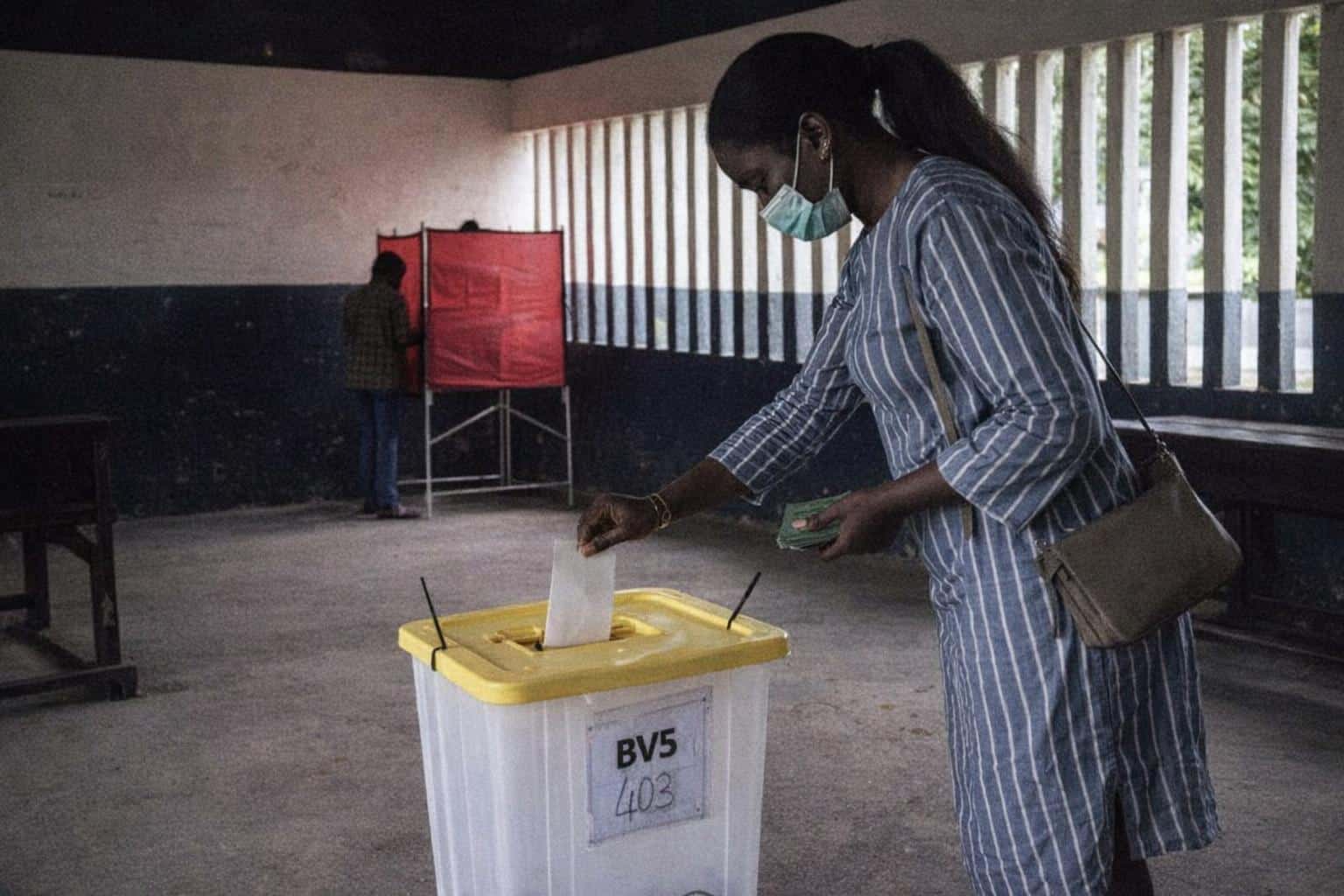
Congo-Brazzaville sets presidential candidacy timetable
Congo-Brazzaville has moved into a key procedural phase of its 2026 presidential electoral cycle, after the Ministry of the Interior and Decentralisation issued a ministerial order made public on 24 January setting the official period for the submission of presidential candidacies. The text also specifies the nature of the files that prospective candidates must compile, signalling an effort to frame the process in formal administrative terms consistent with established electoral practice.
The order, signed by Interior Minister Raymond Zéphirin Mboulou, states that the filing period for candidacy declarations for the presidential election scheduled for 12 and 15 March 2026 will open on 29 January and close on 12 February at midnight. In diplomatic and institutional terms, such a calendar is more than a logistical detail: it is a marker of predictability for political actors and a practical reference for institutions charged with administering the vote and reviewing eligibility.
Ministerial order details dates for the March 2026 vote
The ministerial document sets out, in unambiguous language, the opening and closing of the application window. By anchoring the dates in a publicly released act, the Ministry provides an administrative basis that may help limit uncertainty for candidates, parties, and civil society organisations following the process. The timeline, as formulated in the order, creates a short but defined period during which candidates are expected to assemble and deposit the required materials.
While the order does not itself adjudicate the merits of any applicant, its publication delineates responsibilities: candidates must prepare their submissions within the stated timeframe, and the competent institutions can begin organising the subsequent stages foreseen by the legal framework. In contexts where electoral processes are closely watched both domestically and internationally, clarity on procedural milestones is often treated as an indicator of institutional continuity.
Constitutional Court requirements shape candidacy files
According to the order, any candidate seeking to run in the presidential election must submit a legalised declaration of candidacy, provided in four copies. The file is also required to include a set of documents that are described as being demanded by the Constitutional Court. In effect, the Ministry’s guidance points candidates toward the centrality of constitutional oversight in the verification of eligibility and conformity.
The reference to the Constitutional Court’s required documents underscores that the decisive criteria and the scrutiny of completeness are grounded in the rules applicable to presidential contests. From a legal standpoint, this division of roles is significant: the executive administration sets the operational pathway for submissions, while the Constitutional Court’s standards define the documentary threshold candidates must meet. As the filing period approaches, the practical focus for candidates will therefore be not only political mobilisation, but also meticulous compliance with the specified formalities.
A procedural milestone with political and administrative stakes
The opening of the filing window is typically an inflection point in an electoral sequence, because it transforms political intention into a legally recognisable candidacy through documentation. For the public, the ministerial order provides a concrete reference for understanding how the process is structured, even before the eventual list of accepted candidates becomes known.
At this stage, the available information remains strictly procedural: it concerns the timetable, the format of the candidacy declaration, and the existence of additional documentary requirements defined by the Constitutional Court. In keeping with the principle of legal certainty, prospective candidates and observers alike will be attentive to how these requirements are applied in practice, within the defined period running from 29 January to 12 February at midnight, for the presidential vote scheduled for 12 and 15 March 2026.