

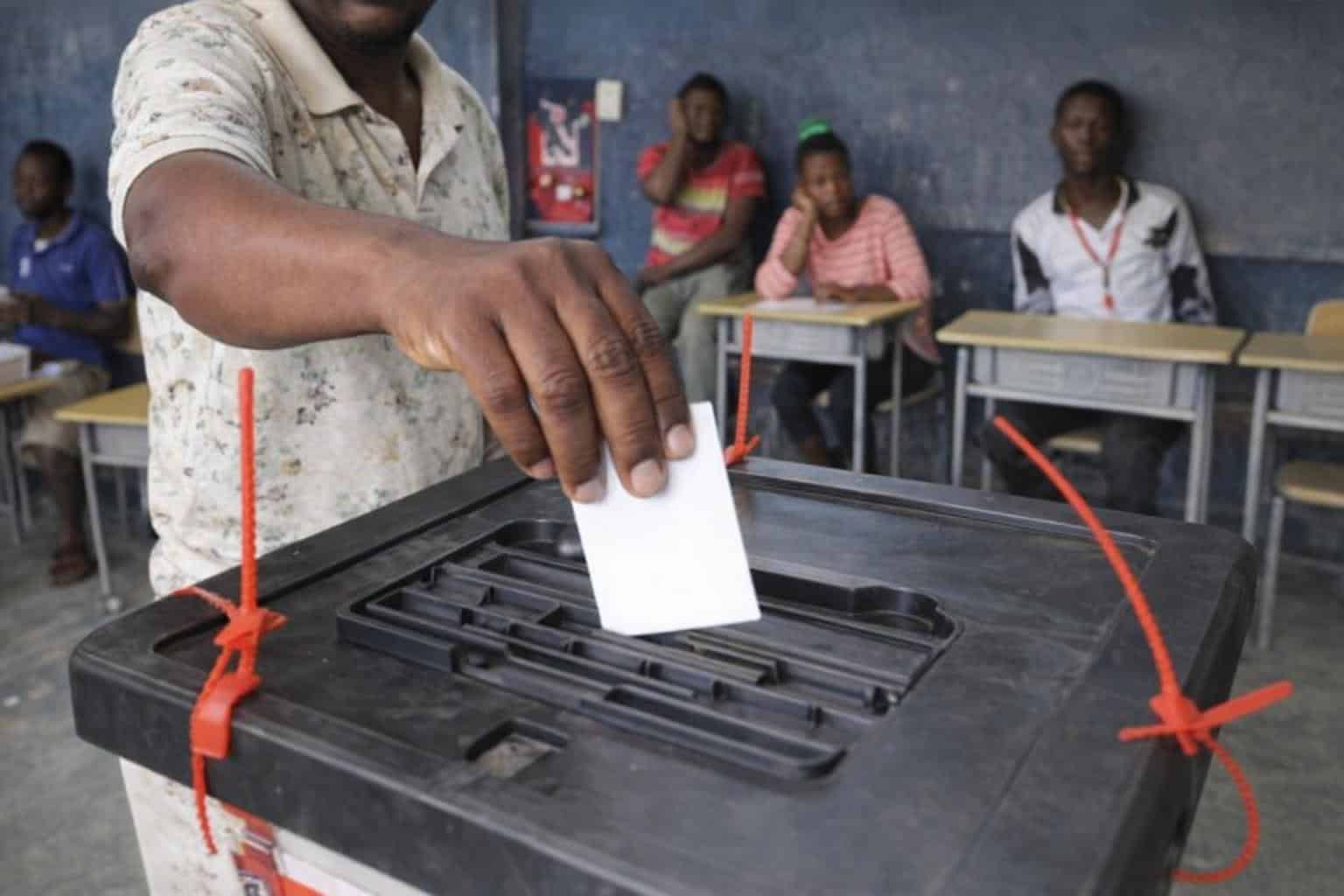
Congo-Brazzaville 2026 presidential election calendar
Congo-Brazzaville is preparing for a major democratic milestone in March 2026, with citizens called to the polls in a two-step voting sequence that underscores the organisational specificity of national elections. According to the official timetable communicated to the public, members of the security forces will cast their ballots in advance on 12 March 2026, while the general electorate will vote on 15 March 2026 in the framework of the election of the President of the Republic.
The schedule, presented as part of the country’s institutional rhythm, has been described by officials as a significant moment in civic life, during which Congolese voters will be invited to express their sovereign choice through the ballot box. In the Congolese context, the sequencing of an early vote for uniformed personnel is designed to facilitate operational continuity and the security arrangements typically required on nationwide polling day.
Official announcement after the Council of Ministers
The announcement was made on 20 January by Thierry Moungalla, Minister of Communication and Government Spokesperson, following a Council of Ministers chaired by the Head of State, President Denis Sassou Nguesso, at the Palais du Peuple. The communication, delivered after the meeting, set out the key dates intended to guide political actors, election administrators and voters alike.
Within the norms of public administration, such a calendar functions as a reference point for subsequent procedural steps, including campaign organisation and the planning of election-day logistics. It also offers political stakeholders an agreed timeframe within which to conduct their activities in an orderly manner.
Campaign period and electoral silence arrangements
The official campaign period is set from 28 February to 13 March 2026. This window is designed to allow candidates and their supporters to present programmes and engage with voters before the country moves into the final phase of preparations for polling.
The same official account specifies an interlude of “electoral silence” on the day of the advance vote for security personnel. This arrangement, presented as part of the overall electoral framework, is intended to preserve the integrity and calm of the process during the casting of ballots by men and women in uniform, ahead of the general vote on 15 March.
What the timetable means for institutions and voters
Beyond the dates themselves, the publication of a clear electoral timetable is widely understood as an important instrument of predictability for institutions and citizens. For election management bodies, it delineates the operational horizon for preparations; for political forces, it clarifies the bounds of lawful campaigning; and for voters, it provides a concrete framework within which to anticipate participation.
As the March 2026 deadlines approach, the success of the electoral moment will depend on disciplined adherence to the announced calendar and on the effective coordination of the relevant public services. For many citizens, the forthcoming vote represents not only a constitutional procedure, but also a civic rendezvous in which political preferences are expressed through peaceful and regulated competition.