

Brazzaville dialogue seeks a negotiated de-escalation
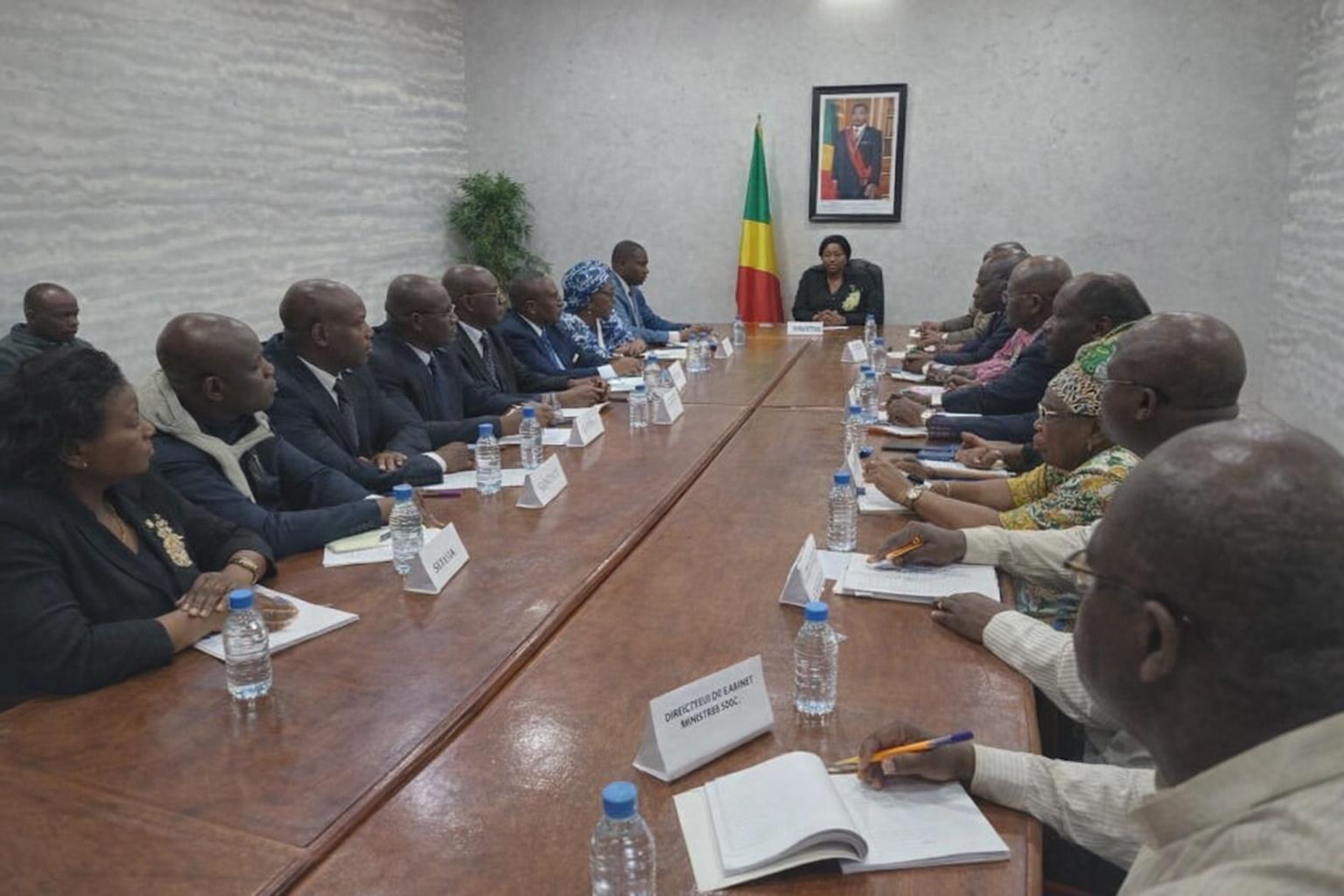
In Brazzaville on 5 January, the Minister of Higher Education, Professor Delphine Edith Emmanuel, held a working session with representatives of sectoral union platforms and members of the Marien-Ngouabi University presidency. According to the information provided, the meeting aimed to harmonise positions among the parties and to advance a set of jointly agreed solutions, with the explicit objective of enabling the lifting of the strike currently affecting the institution.
In an academic system that relies on continuity for teaching, examinations and research calendars, such structured dialogue is often treated as the preferred instrument for restoring normal operations. The participants, as presented, placed emphasis on coordination and convergence rather than on public confrontation, signalling an intention to keep negotiations within an institutional framework.
Marien-Ngouabi strike timeline and the claims at issue
The inter-union coalition at Marien-Ngouabi University reportedly launched an open-ended strike on 17 November 2025. The dispute, as described, centres on salary arrears, among other demands that remain pending.
A further consultation took place on 23 December between Minister Delphine Edith Emmanuel and the full range of stakeholders. The information indicates that three of the five months of wage arrears claimed by the unions have since been settled. This partial clearance is presented as tangible progress, even as it does not, by itself, meet the entirety of the claims expressed by the inter-union coalition.
Salary arrears partly cleared, yet outstanding demands persist
The new round of discussions was convened with the stated purpose of identifying responses capable of resolving the outstanding issues in a durable manner. In practical terms, the narrative suggests a negotiation that is moving in stages: addressing urgent arrears first, then working through remaining points that unions consider essential.
At the same time, the strike has not been lifted. The continued mobilisation underscores that the parties are not yet aligned on the full package of measures sought. From a governance standpoint, the process described reflects an attempt to balance social peace, administrative feasibility and the imperative of maintaining the credibility of the academic year.
Students and lecturers await clarity on the academic calendar
Within the university community, lecturers and students are portrayed as closely monitoring the talks, mindful of the immediate impact on coursework, assessments and broader campus life. The expression that they are “holding their breath” captures the uncertainty that often accompanies prolonged industrial action in higher education.
For the moment, the available information points to a negotiation still underway rather than a settlement already reached. The decisive question remains whether the ongoing dialogue will succeed in translating the progress already recorded into a comprehensive agreement acceptable to all parties, thereby allowing a return to normal academic activities.