

Government restates: existing levies, new discipline
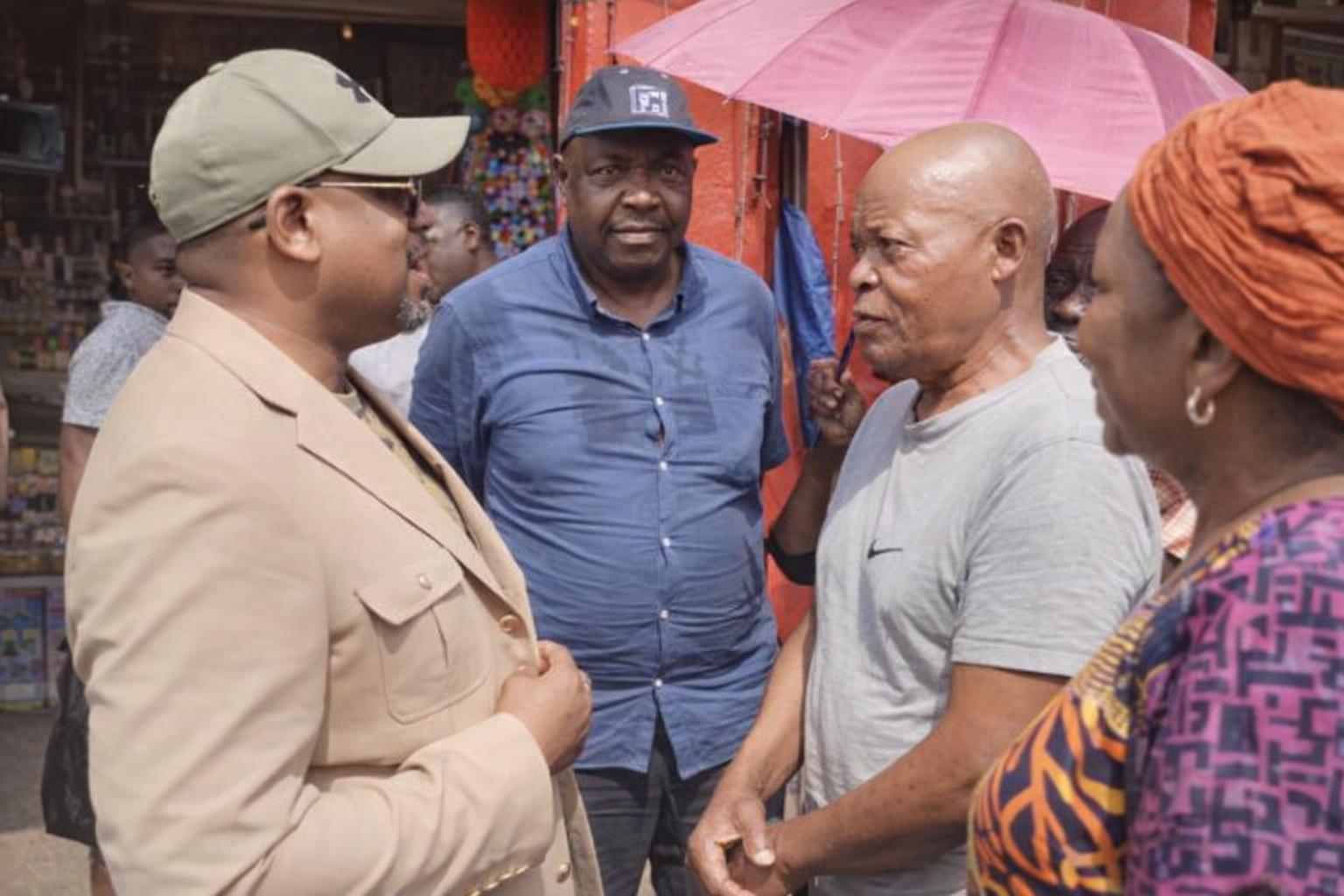
Standing before reporters after his traditional first-Saturday inspection of Brazzaville’s busiest arteries, Minister of Urban Sanitation, Local Development and Road Maintenance Juste Désiré Mondélé offered an unequivocal reassurance: “No new tax has been established. Our task is to organise, not to burden,” he said, citing Cabinet conclusions of 3 January. The Council of Ministers, chaired by President Denis Sassou Nguesso, had recorded persistent dysfunction in the way households’ sanitation payments were collected and channelled, a shortfall that undermines public cleanliness and inflates health risks. By reiterating that the reform merely reorganises pre-existing contributions, the minister sought to allay fears voiced by market traders and civil-society commentators that a fresh fiscal layer could emerge under the guise of environmental ambition.
Digitalisation for transparency and traceability
The cornerstone of the February-bound overhaul is the full digitalisation of sanitation contributions. According to the ministry’s technical unit, mobile payment platforms and geo-tagged receipts will allow both taxpayers and auditors to follow every franc CFA from the point of collection to the contractor charged with waste removal. In a city where manual record-keeping has long blurred lines of accountability, the adoption of secure electronic channels is expected to curb leakages and bolster public trust. Mondélé insisted that the digital architecture will dovetail with the National Sanitation Policy adopted last year and with financing provisions already inserted in the 2026 Finance Law, thereby locking traceability into statutory practice.
Channelling funds to neighbourhood actors
Beyond accounting probity, the reform recasts the very geography of waste management. Resources hitherto pooled into opaque municipal accounts will be redirected toward certified neighbourhood enterprises, associations and quarter-level structures entrusted with pre-collection under local-government supervision. A forthcoming census will enumerate and issue identifiers to every collector, formal or informal, active in Brazzaville. By mapping operators in detail, the ministry intends to extinguish so-called “wild deposits” and clandestine dumps that dot the capital’s periphery. Regulations already drafted include penalties for any actor operating without accreditation or engaging in indiscriminate tipping, measures applauded by environmental health specialists consulted during stakeholder hearings.
Markets caught between dues and disarray
Yet on the ground the gap between payment and service remains palpable. At the Ouenzé and Total-Bacongo domain markets, vendors recount daily disbursements ranging from 100 to 1 200 FCFA for sweeping and waste removal—sums collected, they say, without official receipts or visible follow-up. “We pay, but the rubbish stays,” lamented Mama Isabelle, a vegetable seller handling bills since the 1990s. Similar grievances surfaced from butchers’ guilds and fishmongers’ cooperatives, which complain that market associations still outsource cleaning to the long-standing operator despite the absence of a formal contract. The minister conceded the disconnect, arguing that the forthcoming digital ticketing will finally reveal the volume of cash circulating in each market and compel associations to render accounts.
Building a culture of shared responsibility
Fiscal architecture, however sophisticated, cannot substitute for civic engagement, Mondélé warned. He urged residents to reclaim pavements, gutters and open spaces now treated as dumping grounds, stressing that “arteries, markets and neighbourhoods must no longer be transformed into tips.” The call echoes the policy’s governance pillar, which couples enforcement with education campaigns led by youth groups and women’s collectives historically active in communal clean-ups. Public-health data from the National Hygiene Board underline the stakes: diarrhoeal diseases linked to uncontrolled waste still rank among the top five morbidities in urban Congo. By inviting citizens into the reform, authorities hope to convert what has often been viewed as a tax question into a broader covenant for livability.
Outlook: from pilot to permanence
The February pilot phase will target Brazzaville’s six arrondissements before gradual extension to secondary cities such as Pointe-Noire and Dolisie. Success indicators released by the ministry include a 30 percent reduction in illegal dumps within twelve months and a 50 percent increase in formally registered collectors. Should the metrics be met, the sanitation levy—unchanged in nominal terms—may stand as an early illustration of how digital public finance tools can reconcile revenue mobilisation with public confidence. For now, traders await the first e-receipts, environmental NGOs monitor baseline waste volumes, and the government reiterates its pledge: modernise collection mechanisms, but not the citizens’ fiscal load.