

A Voice from Europe Resonates in Brazzaville
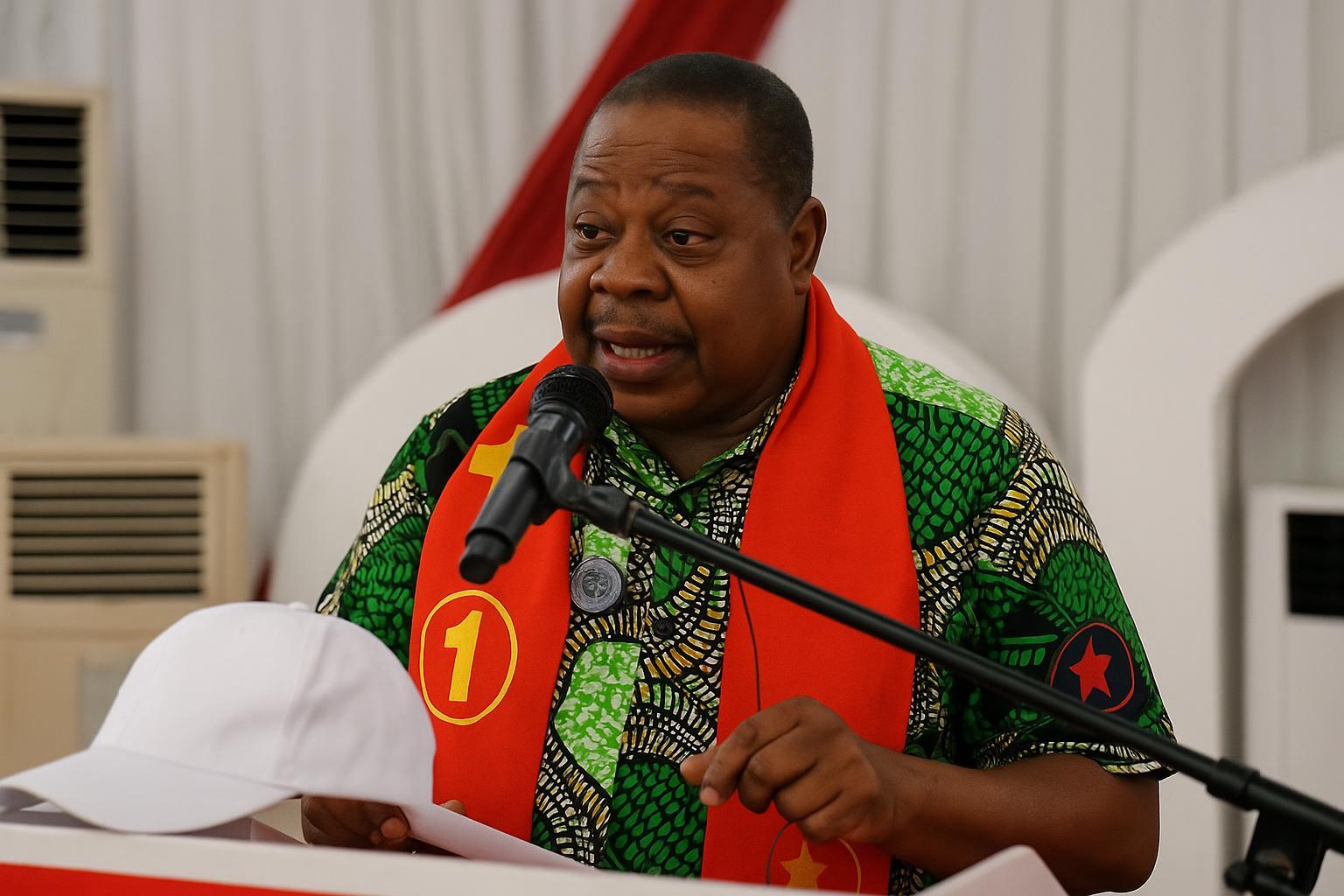
The cavernous Palais des Congrès of Brazzaville seldom falls silent, yet on 29 December a particular hush preceded the intervention of Guy Anatole Elenga. The Central Committee member, who also presides over the Congolese Labour Party’s European Federation (PCT-Europe), took the podium during the Sixth Ordinary Congress and addressed roughly 3,000 delegates from every department of the Republic of the Congo. His mission, he said, was to ‘translate the pulse of our compatriots abroad into an actionable agenda at home’. According to media outlets covering the event, his twenty-minute speech was met with repeated applause, signalling both recognition of the diaspora’s growing influence and support for the political aspirations he outlined.
Diaspora as Strategic Asset, Not Peripheral Actor
From the outset, Elenga rejected any lingering notion that citizens residing outside national borders occupy a marginal space in the Republic’s public life. Recalling the historic contribution of Congolese communities in France, Belgium and beyond—whether through remittances, knowledge transfers or advocacy—he argued that the European base has matured into a ‘strategic extension of the Nation itself’. Observers note that this framing dovetails with the government’s broader ambition to harness its sizeable expatriate community, estimated by the Ministry of Foreign Affairs to exceed 160,000 individuals, for economic modernisation and cultural outreach. In diplomatic language carefully aligned with the tone of the Congress, Elenga linked diaspora engagement to the priorities reaffirmed earlier in the week by President Denis Sassou Nguesso: stability, inclusive growth and national cohesion.
Structuring the European Federation: Progress and Constraints
Yet vision, the speaker conceded, must rest on pragmatic scaffolding. PCT-Europe, formally created in 2022, remains in a phase of consolidation. Of the five geographic zones identified during an October 2023 seminar in Paris—Île-de-France, North-West, North-East, South-West and South-East—only the Île-de-France and North-West committees have completed their statutory sessions. Delegates heard that these two structures now operate with elected bureaux, thematic working groups and a calendar of community-oriented actions ranging from cultural forums to professional mentoring. Elenga attributed the slower rollout in the remaining zones to ‘administrative intricacies and the organic nature of volunteer mobilisation’, while expressing confidence that their activation would accelerate once the Congress resolutions are disseminated across European capitals.
Overseas Ballot: A Democratic Imperative
The rhetorical high point of the address came with a forthright plea: granting Congolese abroad the right to vote from their countries of residence. Echoing recommendations long advocated by civil-society networks such as the Coordination Générale de la Diaspora, Elenga cast external voting not merely as a symbolic act but as a constitutional fulfilment of equality among citizens. He described the reform as ‘a bridge between fiscal contribution and civic voice’, noting that remittances from Europe represent a non-negligible share of family income in several Congolese departments, according to the latest Central Bank data. Within the Congress hall, the proposal elicited nods from senior cadres who have publicly supported revisiting electoral legislation in order to modernise procedures and align with practices already adopted by several CEMAC peers.
Two Proposals to Cement Diaspora Engagement
Building on that momentum, the European delegation tabled two concrete initiatives for the Congress’s consideration. First, the institution of an annual ‘Diaspora Day’ to be hosted by embassies and consulates. Designed as an open forum combining policy debates, cultural showcases and citizen consultations, the day would, in Elenga’s words, ‘make our diplomatic missions living laboratories of participatory democracy’. Second, the delegation recommended tailoring organisational guidelines for overseas branches so that they reflect the regulatory and logistical environment of host countries rather than mirror domestic provincial structures. Analysts interviewed on the sidelines of the Congress said such flexibility could enhance responsiveness and reduce operational costs, an argument that resonated with administrative secretaries tasked with monitoring party finances.
Aligning with Congress Resolutions and National Vision
Elenga was careful to place the diaspora agenda within the broader strategic framework adopted by the Sixth Ordinary Congress. The resolutions, still unpublished in full at the time of writing, reportedly reaffirm the party’s commitment to social inclusion, economic diversification and institutional modernisation in line with the National Development Plan 2022-2026. By declaring complete alignment with these objectives, PCT-Europe sought to dispel any perception of parallelism and instead positioned itself as an amplifier of the central leadership’s priorities on the international stage. ‘United, disciplined and loyal to the values of the Congolese Labour Party, we shall continue to work for an inclusive, sovereign and participatory democracy,’ Elenga concluded to a standing ovation.
Outlook: From Resolution to Implementation
The immediate test lies in translating congressual enthusiasm into measurable progress. Officials within the party’s Secretariat for Organisation have hinted that a technical committee, expected to include representatives from the Ministry of Foreign Affairs and the Independent National Electoral Commission, could be established in early 2024 to examine the legal parameters of overseas voting. Meanwhile, PCT-Europe plans to launch a membership census and digital outreach campaign, leveraging social media platforms popular among young Congolese professionals in Europe. Political scientists observe that, if effectively harnessed, the diaspora could not only broaden the party’s electoral base but also channel investment and expertise toward flagship projects in energy, health and education. The coming months will thus reveal whether the Congress has marked a turning point in institutionalising diaspora participation or whether logistical hurdles will temper the ambitions voiced so forcefully from the Brazzaville stage.