

A Confluence of Verse and Values in Brazzaville
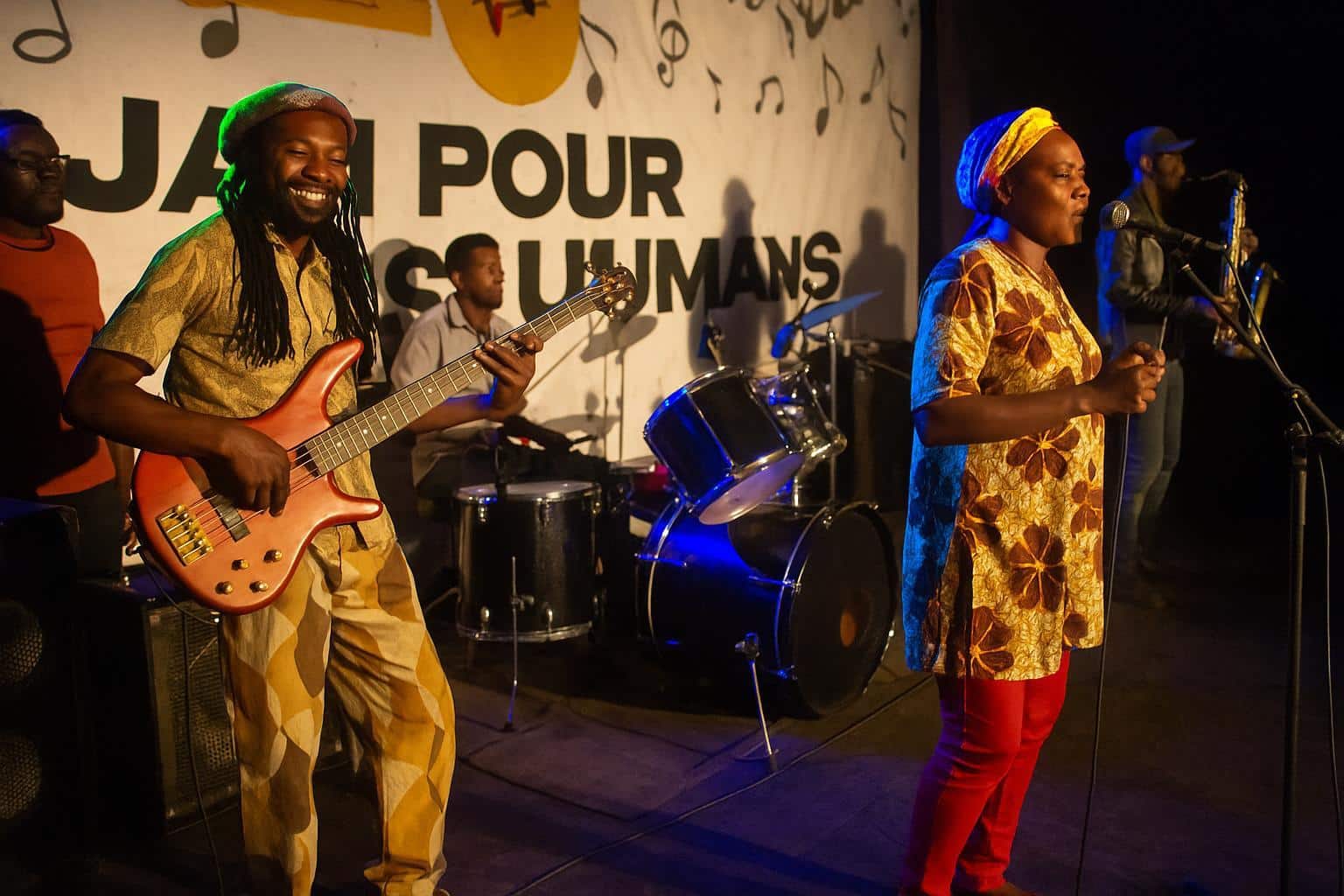
In the early warmth of December, the riverside capital witnessed an encounter between poetic cadence and civic commitment. From 8 to 10 December 2025, the Centre d’actions pour le développement (CAD) joined forces with the Bana Moyi Cultural Centre to host a festival devoted entirely to slam poetry and the universal language of human rights. For three evenings, the small amphitheatre of Bana Moyi filled with rhythms, rhymes and a public eager to rediscover, through art, the intrinsic dignity of the human person. Organisers positioned the festival as an “alternative front” for the promotion of liberties, harnessing the emotional immediacy of spoken word to bring legal principles to life.
Strategic Timing and International Echoes
The closing night, 10 December, was not chosen at random. Each year the international community marks this date as Human Rights Day, commemorating the adoption of the Universal Declaration of Human Rights in 1948. Aligning the festival’s finale with this global commemoration embedded Brazzaville’s cultural initiative within a wider constellation of events, linking local voices to a worldwide conversation on justice and equality. In doing so, organisers underscored the Republic of the Congo’s place in the continuum of nations that reflect on freedoms, while also offering residents a moment to celebrate national creativity.
Voices From the Stage
One after another, slammers stepped under the soft light, combining lyric virtuosity with a determined call to conscience. Their texts addressed themes of dignity, due process and social harmony, weaving personal narratives with references to legal norms. Performers shifted effortlessly between French and Lingala, ensuring that every segment of the audience could decode the message. The atmosphere oscillated between meditative silence and thunderous applause, evidence that, in Brazzaville, poetry remains a potent instrument of public pedagogy.
CAD’s Perspective on Artistic Advocacy
Presiding over the closing ceremony, CAD’s executive director Trésor Nzila offered an unvarnished reflection on the risks faced by civil-minded artists worldwide. “In any context where rights are fragile, committed voices step forward to improve the situation,” he observed, stressing that cultural actors carry a responsibility to convey “messages at a very elevated level”. Nzila’s remarks, directed more to the universal condition than to a specific polity, framed the festival as part of a continuum of peaceful advocacy. He added that no security imperative should ever eclipse the inherent worth of the individual, a stance that echoed the festival’s overarching motif: humanity first. Organisers were careful to clarify that these statements expressed the speaker’s personal analysis and did not target any specific institution.
Legal Rigor and Responsible Expression
Throughout the three-day gathering, moderators repeatedly reminded participants of the legal parameters governing public speech. References to constitutional guarantees of free expression were balanced with cautions against defamation, reinforcing the principle that artistic freedom flourishes best when paired with respect for factual accuracy and civic responsibility. This dual emphasis on creativity and compliance reflects a broader trend within Congolese cultural circles: a desire to innovate without undermining social cohesion.
Cultural Resonance and Institutional Context
Observers noted that the festival’s success builds on a decade of growing interest in urban spoken-word genres across Central Africa. By providing a platform for young voices, the organisers contributed to the diversification of Congo-Brazzaville’s cultural economy, consistent with national initiatives aimed at nurturing creative industries. The Ministry of Culture’s representatives, though not formally on the programme, were seen in attendance, signalling a tacit encouragement of initiatives that align the arts with civic education.
Beyond the Microphone
As the final verses faded and the audience dispersed into the tropical night, the lasting imprint of the festival lay less in the applause than in the collective reflection it generated. At its heart, the event illustrated that, within Congo’s vibrant artistic milieu, poetry is not mere ornament: it is dialogue, reflection and, above all, a reminder that the law lives through the stories people tell. Whether in academic halls or street corners, the rights and duties inscribed in formal texts gain substance only when spoken, heard and internalised.
Looking Ahead
Organisers hinted at plans for an expanded edition in 2026, integrating workshops on writing techniques, legal literacy and digital dissemination—an agenda that, if realised, would consolidate Brazzaville’s reputation as a regional hub for socially engaged art. For now, the 2025 chapter stands as a testament to the capacity of Congolese civil society and cultural entrepreneurs to fuse aesthetic innovation with civic substance, in harmony with the country’s broader commitment to dialogue and development.