

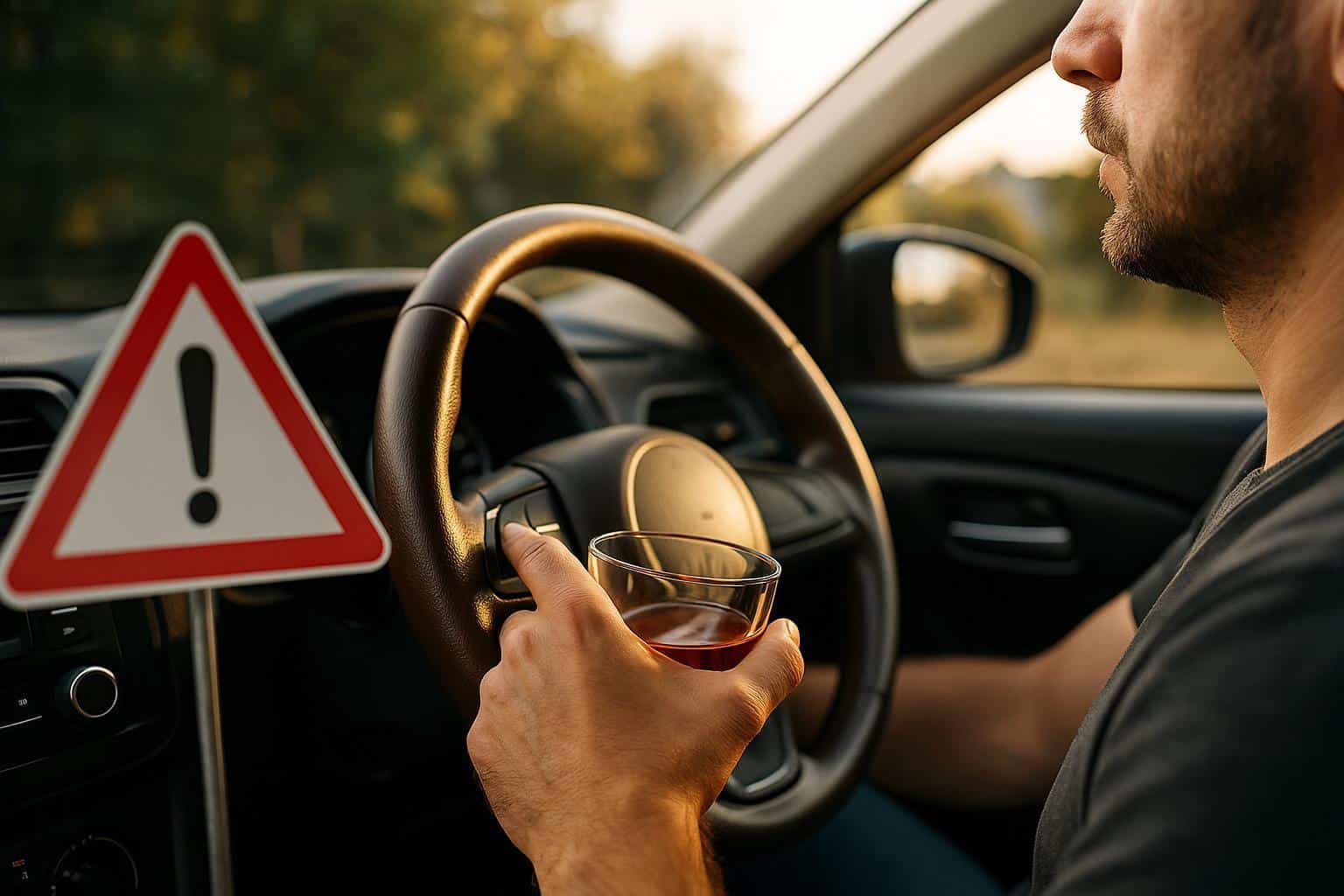
Seasonal traffic surge and shifting risk patterns
In Brazzaville, Pointe-Noire and emerging urban corridors such as Oyo–Owando, the final weeks of the calendar year generate traffic densities comparable to oil-sector pay-day peaks. Weddings, memorials and parish vigils stretch late into the night, encouraging motorists and motor-taxi riders to negotiate dimly lit avenues after toasting with friends. Police dispatch logs consulted by our newsroom confirm a spike of collision calls between 22.00 and 04.00 in December, with alcohol mentioned in nearly half of the reports, a proportion that mirrors the World Health Organization’s 2023 Global Status on Road Safety (WHO, 2023).
For Dr. Aurélia Ndinga, emergency physician at the Centre hospitalier universitaire de Brazzaville, the pattern is sadly predictable. “We see clusters of head injuries and thoracic trauma right after pay slips or large religious gatherings,” she notes. While overall crash fatality numbers have stabilised since 2019, the holiday curve remains stubborn, suggesting that risk behaviour, not infrastructure alone, drives the December surge.
A preventable public-health burden in figures
Road crashes already cost the Congolese economy an estimated 1.7 % of GDP annually, according to the African Development Bank’s transport brief (AfDB, 2022). Alcohol exacerbates that impact: toxicology screenings undertaken by the National Laboratory of Public Health in 2022 found blood-alcohol concentrations above 0.08 % in 43 % of deceased drivers sampled. Children and productive-age adults represent the bulk of casualties, compounding demographic and fiscal pressures.
International comparisons place the Republic of Congo in the mid-range of regional risk, far below the levels observed in some Sahelian states yet well above the benchmark set by middle-income peers such as Morocco. The gap highlights both the feasibility and the urgency of targeted interventions, notably breath-testing, licence points and urban lighting.
Legal framework and enforcement initiatives
Legislation dating back to Law 13-2001 already criminalises driving with a blood-alcohol concentration exceeding 0.08 %; repeat offenders face up to two years’ imprisonment. Recent executive decrees have broadened police powers to conduct random checks during “Operation Routes Sereines”, active since 2021 and reinforced this December with 120 additional gendarmes on national corridors N1 and N2. Colonel Arsène Okombi, commander of the Road Safety Group, states that compliance improves markedly “once motorists realise that controls are systematic rather than optional”.
Preliminary figures supplied by the Ministry of Transport indicate a 15 % decline in alcohol-positive tests during last year’s Christmas weekend compared with 2021, suggesting that deterrence is taking hold. Yet NGO observers argue that enforcement still concentrates on trunk roads, leaving peri-urban tracks and villages under-patrolled.
Community and faith-based mobilisation
Because celebrations are as much social as personal, behavioural change campaigns embrace cultural intermediaries. The Council of Traditional Chiefs has revived the pre-colonial concept of mbongui—a communal pledge—inviting party hosts to name a sober volunteer driver before any libation begins. The Archdiocese of Brazzaville relays similar messages during Advent homilies, while breweries now sponsor “Safe Ride” vouchers redeemable at licensed taxi cooperatives.
Jean-Claude Kiessé, youth leader in Talangaï, observes that peer-to-peer persuasion gains traction where official warnings may sound abstract. “It is harder to refuse the car keys to a cousin than to accept a sermon from an officer,” he smiles, yet he credits the mix of moral suasion and visible policing for the noticeable reduction of night-time motorbike convoys in his district.
Toward a culture of responsible celebration
Experts interviewed converge on one point: alcohol-impaired driving is neither an inevitability nor a cultural fatality. Urban planners recommend staggered closing hours to spread traffic flows, while insurers explore premium discounts for customers installing ignition interlock devices. The government has announced a pilot programme of solar-powered streetlights on the Dolisie-Moungali axis, aiming both to deter reckless speed and to improve post-crash care response times.
Ultimately, the responsibility chain circles back to every driver holding a key. “The law is a guardrail; conscience is the steering wheel,” reflects Dr. Ndinga. If Congolese families are to remember the festive season for its hymns, drumbeats and shared meals rather than hospital vigils, the simple act of staying sober behind the wheel may prove the most valuable gift exchanged this year.