

A Regulatory Milestone for Patient Safety
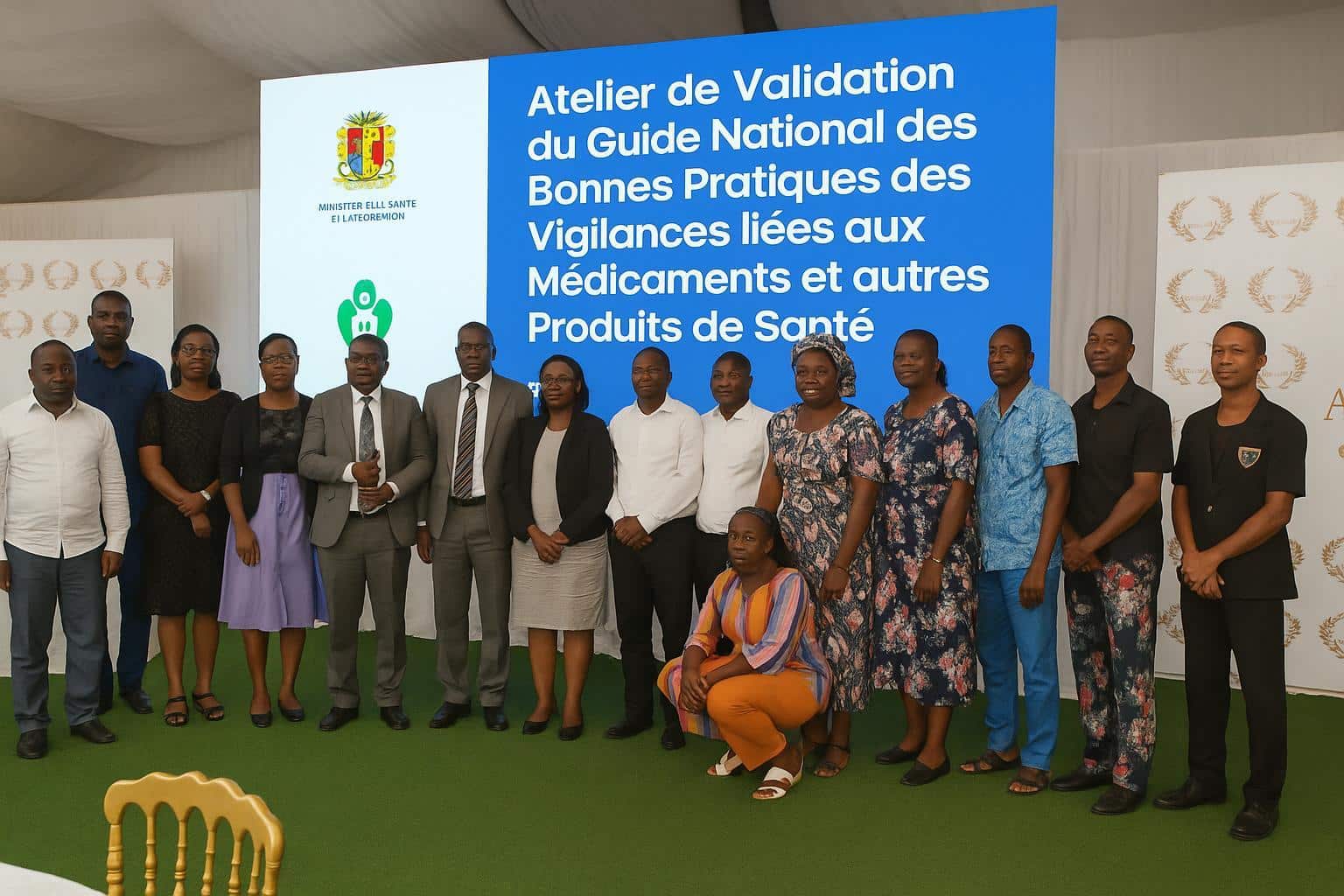
In a decisive step toward safeguarding public health, the Ministry of Health and Population convened experts on 15 and 16 December in Brazzaville to validate the National Guide to Good Pharmacovigilance Practices. The document, meticulously reviewed during the two-day workshop, sets out the procedures for the detection, assessment and notification of adverse events linked to medicines and other health products. By institutionalising these processes, the Republic of Congo aligns itself with international standards that require post-marketing surveillance to complement pre-authorisation trials. Officials underscored that the guide will serve as an authoritative reference for clinicians, pharmacists, regulators and manufacturers seeking to ensure that therapeutic benefits consistently outweigh potential risks.
UNDP Partnership Strengthens Oversight
The United Nations Development Programme has played a pivotal role throughout the drafting process. Hugues Traoré, UNDP principal technical adviser for health, congratulated national authorities on bringing the initiative to fruition, expressing the hope that the guide will become “a powerful support for the ministry, both in the management of alerts and in the handling of events related to medicines and health products.” His remarks highlight the growing convergence between national policy and multilateral assistance, a convergence designed to reinforce capacity-building and secure long-term sustainability of Congo’s pharmaceutical governance.
Clear Obligations for Health Professionals
Rosa Ata Ollessongo, Director of Pharmacy and Medicines, stressed that the text unambiguously defines each actor’s responsibilities. All prescribers are now required to report suspected adverse reactions through dedicated forms, thereby feeding a centralised database managed by the Directorate. “It is important to monitor these effects so that the ministry can take appropriate measures, including suspension or cessation of importation when necessary,” she explained. By codifying the notification duty, the guide closes long-standing gaps in the surveillance chain and empowers regulators to act swiftly should alarming signals emerge.
Extending Vigilance to the Last Mile
Henri Germain Monabeka, Director-General of Health Care and Services, called for the systematic expansion of pharmacovigilance beyond referral hospitals to basic health centres and even the community level. Medicines, he reminded participants, remain indispensable yet intrinsically capable of causing harm if not adequately monitored. The guide therefore advocates widespread dissemination and training so that every nurse, midwife and community health worker recognises and reports unusual symptoms linked to treatment. Such decentralisation is expected to generate a more representative safety profile of products circulating in remote districts, ultimately benefiting patients, health authorities and manufacturers alike.
Balancing Therapeutic Benefit and Risk
Although antibiotics and other curative agents have transformed the burden of disease, they can also trigger allergic reactions, organ toxicity or antimicrobial resistance when misused. The new national framework responds to this duality by stipulating rigorous causality assessment methods and risk-communication protocols. By doing so, Congo-Brazzaville positions itself to detect early warning signals, adjust treatment guidelines and, where appropriate, restrict market authorisations. In turn, patients gain greater confidence that the medicines they receive meet evolving safety standards, while the government strengthens its commitment to Universal Health Coverage without compromising on quality or vigilance.
Towards a Culture of Continuous Improvement
The validation of the guide marks the beginning rather than the culmination of reform. Its efficacy will depend on sustained political will, adequate resourcing and the cultivation of a reporting culture that values transparency over blame. Participants left the Brazzaville workshop with a shared conviction that pharmacovigilance is not a bureaucratic burden but a public good, one that protects citizens and supports the responsible growth of the pharmaceutical market. As the document is rolled out nationwide, its success will be measured by the frequency and quality of reports submitted, the speed of regulatory responses and, most fundamentally, the health outcomes of Congolese patients.