

A looming gap in lifesaving drug supplies
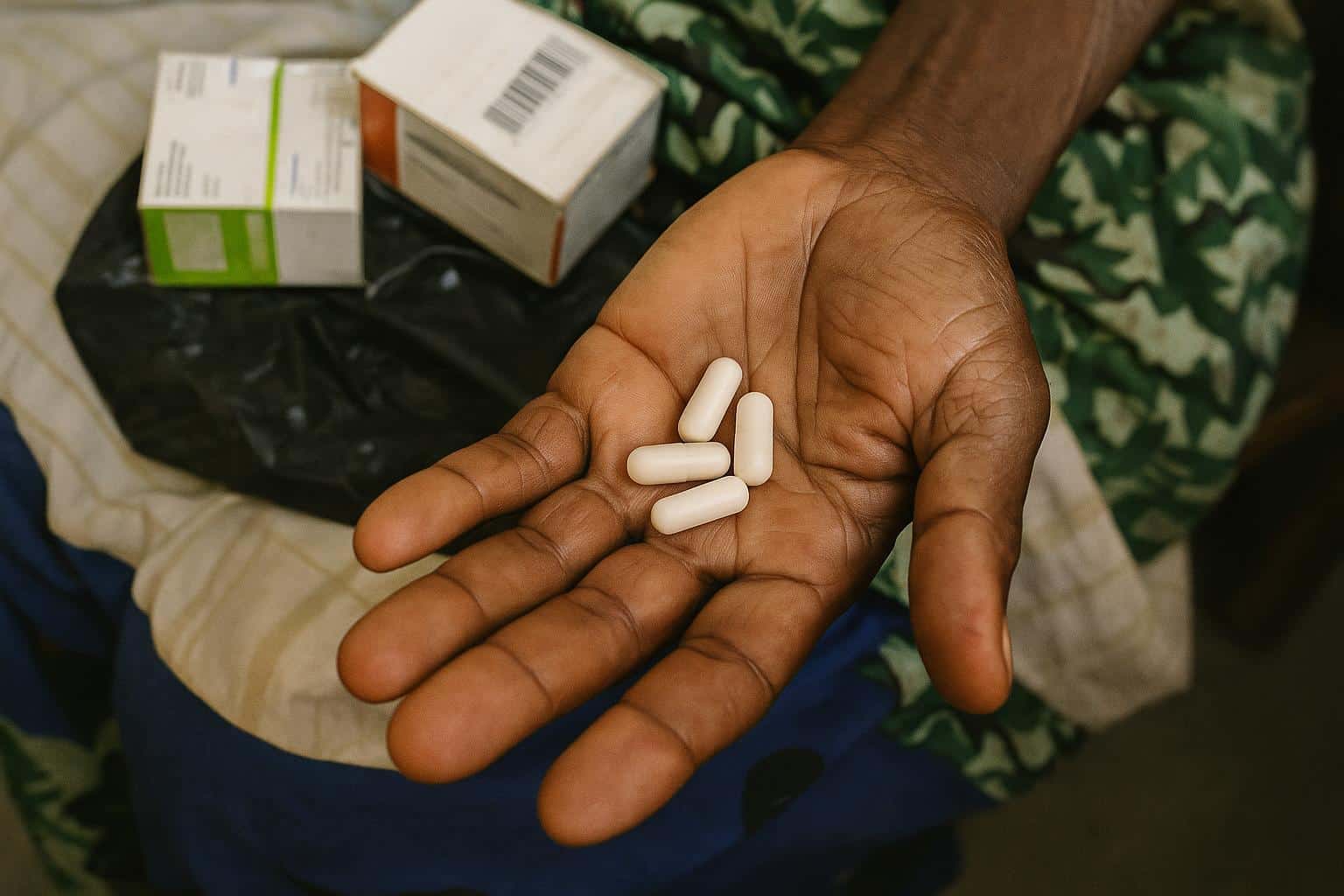
The latest restitution mission of the Global Fund to Fight AIDS, Tuberculosis and Malaria has delivered a sobering projection: unless new resources are swiftly secured, stocks of antiretrovirals and anti-tuberculosis medicines could run dry in 2026 for close to 24,000 Congolese patients. The figure, disclosed in Brazzaville by portfolio manager Eplakessi Kouadjani, comprises some 20,000 people living with HIV and about 4,000 individuals undergoing tuberculosis therapy. The warning revives the perennial question of how to transform exceptional external aid into predictable, domestically anchored health financing.
Young people and mothers on the epidemiological front line
Kouadjani’s assessment underscores a shifting epidemiological landscape in which the youth cohort is now the most exposed to new HIV infections. The trend mirrors regional patterns but also reflects the specific social dynamics of the Republic of Congo, where urban migration and digital connectivity have redrawn risk maps. In parallel, tuberculosis remains a formidable co-morbid partner, despite a reported therapeutic coverage rate of 100 percent. Health data pointing to 83,000 tuberculosis-related deaths illuminate the scale of the challenge and the importance of protecting the continuum of care for the most vulnerable, notably pregnant women and children.
From solidarity grant to sustainable budget line
The Republic of Congo currently benefits from a €90 million grant for the 2024-2026 cycle, channelled through the National Coordinating Committee (CCN) and complemented by technical support from the Global Fund. CCN chair Esmo Valérie Maba Moukassa notes that the envelope has already propelled key indicators forward, whether in viral-load suppression or the detection of drug-resistant tuberculosis. Yet she cautions that any downward revision of the grant, or a delay in co-financing commitments, would jeopardise these hard-won advances. Her assertion that stakeholders “would be compelled to mobilise” if appeals go unanswered rings less as a threat than as a reminder of the shared responsibility embedded in partnership financing.
Domestic mobilisation: a multidimensional imperative
Ensuring drug security extends beyond the arithmetic of budget lines. It calls for an ecosystem approach that blends public fiscal effort, private-sector engagement and creditor dialogue—avenues specifically highlighted by Kouadjani. The Ministry of Health has already signalled its willingness to integrate antiretroviral procurement into the national budgetary framework, a move that would align with the African Union’s Abuja Declaration target of allocating at least 15 percent of government expenditure to health. Parallel consultations with local pharmaceutical distributors aim to shorten supply chains, reducing exposure to global market shocks.
Safeguarding credibility with performance metrics
One of the subtler yet decisive levers for maintaining donor confidence is the rigorous documentation of results. The CCN therefore continues to refine its data-collection architecture, linking community-based reporting to the national health information system. According to Moukassa, early evidence suggests a correlation between transparent metrics and the pace of financial disbursement. In other words, accurate data are not merely academic; they constitute a form of currency that can unlock or, conversely, delay lifesaving deliveries.
Towards a resilient procurement horizon
Government interlocutors point to the adoption of a medium-term expenditure framework allowing multi-year purchase agreements for essential medicines. By harmonising forecasting with treasury cycles, this mechanism seeks to prevent the notorious end-of-cycle stock dips that have historically plagued antiretroviral programmes across the continent. While the measure awaits full parliamentary appropriation, its principle enjoys broad backing among civil-society organisations, clinicians and external partners alike.
Collective stewardship in the face of uncertainty
At a ceremonial glance, the Global Fund’s alert might read as a familiar donor communiqué. Yet beneath the surface lies a convergence of interests: the Congolese authorities, international financiers and grassroots advocates all recognise that treatment disruption would not merely be a setback in statistical terms; it would dismantle community trust painstakingly built over two decades of response. By framing the 2026 deadline as a collective checkpoint rather than an ultimatum, stakeholders hope to turn potential rupture into renewed solidarity.
An agenda that transcends emergency logic
The conversation around HIV and tuberculosis financing increasingly intersects with broader national aspirations, including economic diversification and human-capital development. Healthy citizens fuel productivity, while predictable drug supply chains cultivate investor confidence. Seen through this lens, the government’s commitment to safeguarding antiretroviral and anti-tuberculosis stocks acquires a strategic dimension that reaches far beyond the clinical realm.