

A strategic pivot toward inclusive energy access
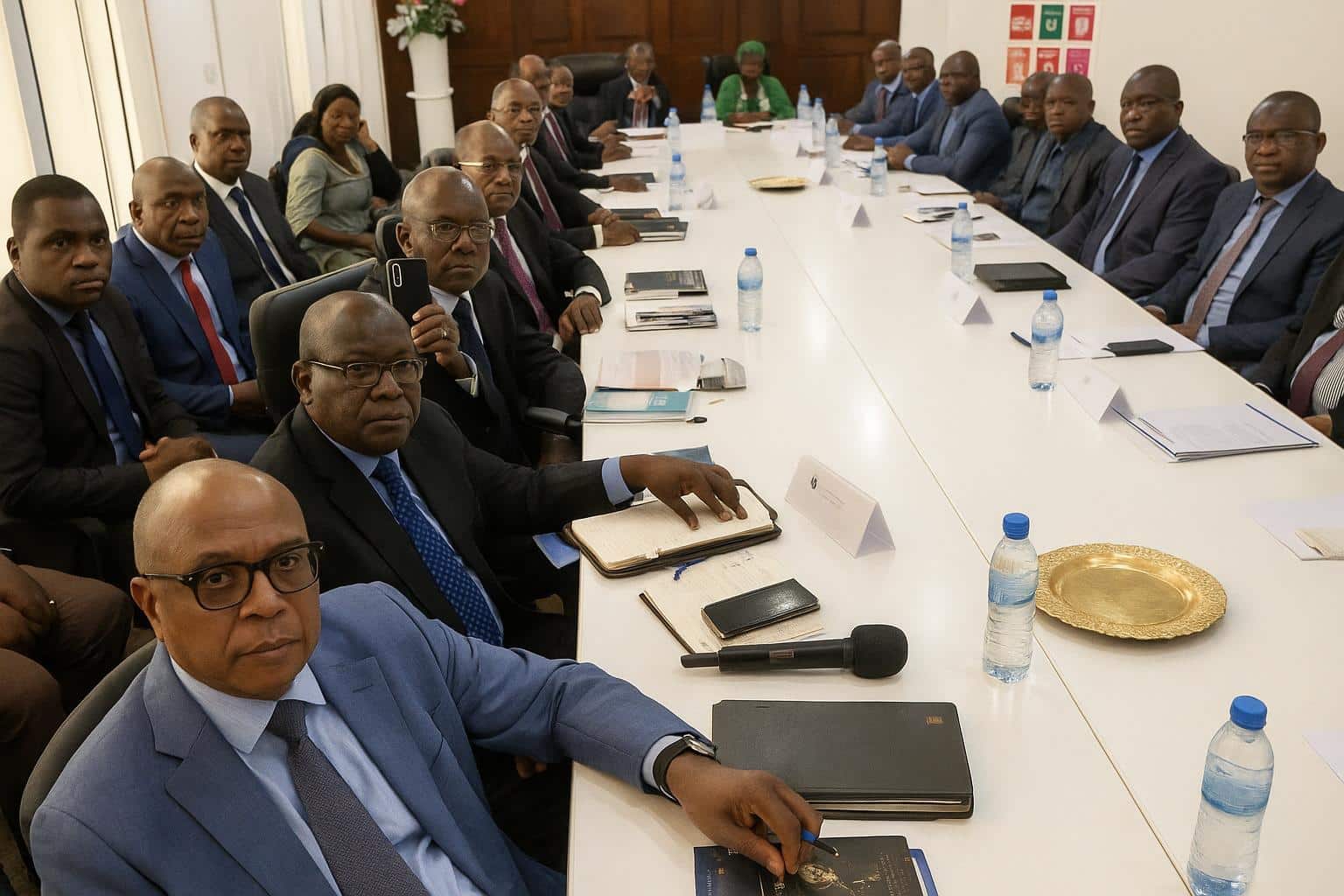
The Republic of Congo’s quest for universal electricity has reached a decisive juncture. On 1 December in Brazzaville, the United Nations Development Programme Resident Representative, Adama Dian Barry, urged national private-sector leaders to rally behind the Rural Electrification Programme, known by its French acronym PEZOR. Speaking at a working luncheon jointly organised with the Ministry of Energy and Hydraulics, she framed the initiative as a catalyst for economic diversification and social cohesion, asserting that “energy in adequate quantity and quality is a public good that underpins every value chain” (UNDP Congo statement).
PEZOR’s architecture revolves around the installation of 19 isolated mini-grids designed to power more than 200 localities that have remained beyond the reach of the national grid. By targeting productive uses of energy—agro-processing, cold-chain storage and digital services—the programme intends to stimulate thousands of micro-enterprises and consolidate rural employment. The deployment strategy aligns with the National Development Plan 2022-2026, which elevates access to reliable electricity to a matter of territorial equity (Ministry of Planning data).
Why Brazzaville is wooing domestic investors
While concessional loans and multilateral grants provide seed funding, authorities have opted for a blended-finance model that hinges on domestic capital. Energy and Hydraulics Minister Émile Ouosso reminded participants that local entrepreneurs possess “innovation, proximity to consumers and the agility that large utilities sometimes lack.” According to ministry estimates, unlocking the full roll-out will require nearly CFA 90 billion, a figure that exceeds current public-sector envelopes.
The government’s choice is also pragmatic: private operators already dominate off-grid solar sales in neighbouring Central African markets, and their know-how could accelerate commissioning timelines. UNDP’s Global Off-Grid Energy Report ranks Congo’s solar resource among the region’s most promising, with average irradiation at 4.8 kWh/m²/day, a level compatible with mini-grid profitability.
Regulatory clarity as a precondition for capital
Michel Dzombo, president of the influential employers’ federation UNICONGO, delivered a measured message. “Investors will follow light only if the rules are crystal clear,” he said, calling for a coherent tariff methodology and bankable power-purchase agreements. His remarks echo recommendations in the 2023 Energy Sector Diagnostic co-authored by the African Development Bank, which stresses that transparent licensing and cost-reflective tariffs are decisive for attracting equity.
Minister Ouosso acknowledged the point, announcing that an updated Electricity Code will be submitted to parliament in the first quarter of 2024. Draft provisions seen by the press introduce feed-in tariffs for renewable generation below 10 MW and offer tax holidays on imported equipment for rural projects. Industry observers view the gesture as a signal that the executive branch is prepared to share both risk and reward with private firms (AfDB brief).
Financing mechanisms under discussion
Among the instruments tabled during the luncheon were performance-based grants managed by UNDP, partial credit guarantees through the national development bank, and results-based carbon revenue streams via the Climate Warehouse initiative. Adama Dian Barry emphasised that such mechanisms are designed to “de-risk first movers and crowd in commercial lenders,” citing successful pilots in Benin and Rwanda.
For smaller Congolese firms, liquidity remains the principal hurdle. Commercial banks apply collateral requirements that many rural entrepreneurs cannot meet. To bridge the gap, UNDP proposes a revolving fund denominated in local currency, capped at CFA 5 billion, to finance distribution infrastructure and smart meters. Negotiations on the fund’s governance are ongoing and expected to conclude before mid-2024 (UNICONGO communique).
A cautiously optimistic outlook
PEZOR represents more than an infrastructure project; it is an attempt to recalibrate the relationship between state, citizens and enterprise in the energy sphere. Success will hinge on three variables: the speed of regulatory reform, the robustness of financial guarantees and the operational discipline of project developers. Stakeholders left the Brazzaville meeting with a roadmap for follow-up workshops and site assessments in the Pool and Plateaux departments.
Although challenges remain—in particular, logistics during the rainy season and the need for gender-sensitive training for grid operators—momentum appears tangible. As Adama Dian Barry concluded, “Lighting rural Congo is not only feasible; it is economically rational and socially imperative.” Her verdict captures a broader consensus that, with aligned incentives, private capital can illuminate the country’s underserved heartlands without dimming the public interest.