

Cameroon custody death renews scrutiny of prison conditions
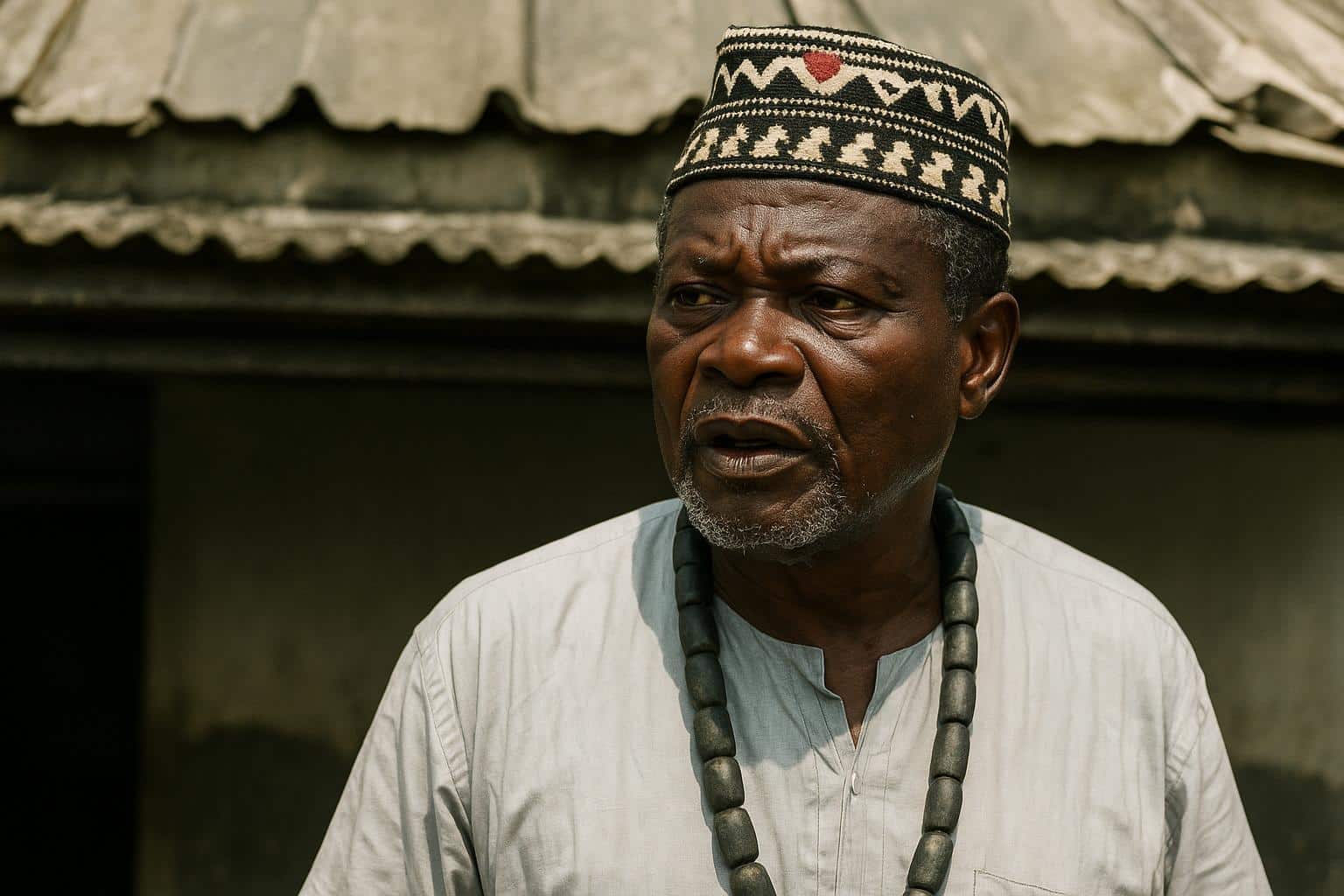
The unexpected death of Cameroonian opposition stalwart Anicet Ekane while under detention has sent a tremor through Central Africa’s political sphere. According to family members, the veteran activist was deprived of adequate medical attention during his incarceration, a claim that has prompted calls for an independent autopsy and transparent judicial clarification (family statement). Ekane, long-time leader of the Manidem movement and an outspoken critic of successive administrations in Yaoundé, was being held on charges linked to an unauthorised rally. His demise now risks re-energising a fragmented opposition landscape and forcing the authorities to revisit prison-oversight mechanisms amid scrutiny from civil society and diplomatic missions.
Legal analysts stress that Article 6 of the African Charter on Human and Peoples’ Rights enshrines a universal guarantee to humane treatment of detainees. Should the official inquiry fail to satisfy minimum standards of independence, Cameroon may face reputational costs that eventually translate into stricter conditionalities in multilateral lending packages (regional legal analysis). Government spokespeople have limited their communication to the announcement of a “methodical investigation”, but observers insist that the credibility of the process hinges on the inclusion of external forensic expertise and unfettered access for the family to medical records.
Abuja’s asylum offer shifts the Guinea-Bissau chessboard
Almost simultaneously, Nigeria has offered refuge to an unnamed opposition leader ousted from the party headquarters in Bissau during the turbulence that followed Guinea-Bissau’s recent legislative contest. Abuja’s gesture, framed as an act of African solidarity, also underscores Nigeria’s enduring ambition to position itself as a guarantor of political stability in the Gulf of Guinea corridor. Foreign-ministry officials in Abuja emphasise that the asylum remains contingent on the beneficiary’s commitment to pursue non-violent political avenues and to respect the host country’s legal framework (official brief).
Diplomats in the Economic Community of West African States (ECOWAS) interpret the move as a calibrated signal: while Nigeria is prepared to shelter dissident voices, it remains reluctant to endorse extra-constitutional power shifts. By extending protection, Abuja hedges against regional instability spilling over its own borders, yet avoids direct confrontation with Bissau’s transitional authorities. The episode could nevertheless invigorate debates on updating the ECOWAS Protocol on Good Governance to include clearer safeguards for political refugees.
Regional institutions balance solidarity and sovereignty
The twin developments—Ekane’s death and the asylum offer—highlight a recurrent dilemma for continental bodies such as the African Union and sub-regional blocs: how to uphold democratic norms without overriding the sovereignty sensibilities of member states. CEMAC capitals, mindful of their own domestic pressures, have so far reacted with cautious language, expressing condolences to Ekane’s family while refraining from prescriptive statements. Policy advisers in Libreville and Ndjamena warn that an overtly moralistic stance could backfire if perceived as selective outrage, given that prison conditions remain a systemic challenge throughout the region.
Behind closed doors, however, finance ministers worry that negative headlines may complicate bond-market access at a time when several CEMAC countries—Cameroon included—are seeking to roll over eurobonds. Sovereign-risk consultants already factor governance indicators into pricing models, and a spike in the perceived probability of social unrest can add basis points to borrowing costs.
BaCaSi pause repositions Congo’s green agenda
Against this backdrop, Brazzaville has discreetly announced a strategic pause in the BaCaSi reforestation initiative on the Batéké plateau. The programme, conceived to rehabilitate savannah ecosystems while bolstering carbon-credit revenues, has until now planted millions of seedlings across community plots. Officials cite the need for a “technical recalibration” to ensure optimal species mix, land-tenure clarity and stronger benefit-sharing with local farmers. Far from signalling abandonment, the temporary halt is presented as an opportunity to integrate new satellite-based monitoring tools and to align the project more closely with emerging Article 6 rules under the Paris Agreement (environment ministry note).
Agricultural cooperatives active on the plateau broadly welcome the review, arguing that a refined approach can minimise land-use conflicts and deliver better livelihoods. International climate-finance stakeholders, meanwhile, continue to view the Republic of Congo as a critical reservoir of natural capital whose prudent stewardship can unlock concessional funding. The government’s emphasis on scientific validation and community consultation suggests an intent to couple ecological ambition with social cohesion, in line with President Denis Sassou Nguesso’s policy of inclusive and sustainable growth.
Finding equilibrium between stability, rights and sustainability
The week’s events underline the intricate trade-offs that Central and West African governments confront. In Cameroon, the challenge lies in guaranteeing civil liberties without undermining state authority; in Nigeria, it involves shielding political exiles while maintaining cordial, pragmatic ties with neighbouring regimes; in Congo-Brazzaville, it is a question of reconciling environmental leadership with economic pragmatism. Each file feeds into a broader conversation on how the continent can advance democratic norms and green development without externalising costs onto already sensitive social fabrics.
Although the trajectories differ, a unifying thread emerges: the imperative of transparent governance. Whether it concerns prison health protocols, asylum frameworks or carbon-offset methodologies, credibility thrives on data that can withstand public and international scrutiny. For policy-makers in Brazzaville and their peers across the sub-region, embedding that principle in day-to-day administration may well prove the most durable shield against future storms.