

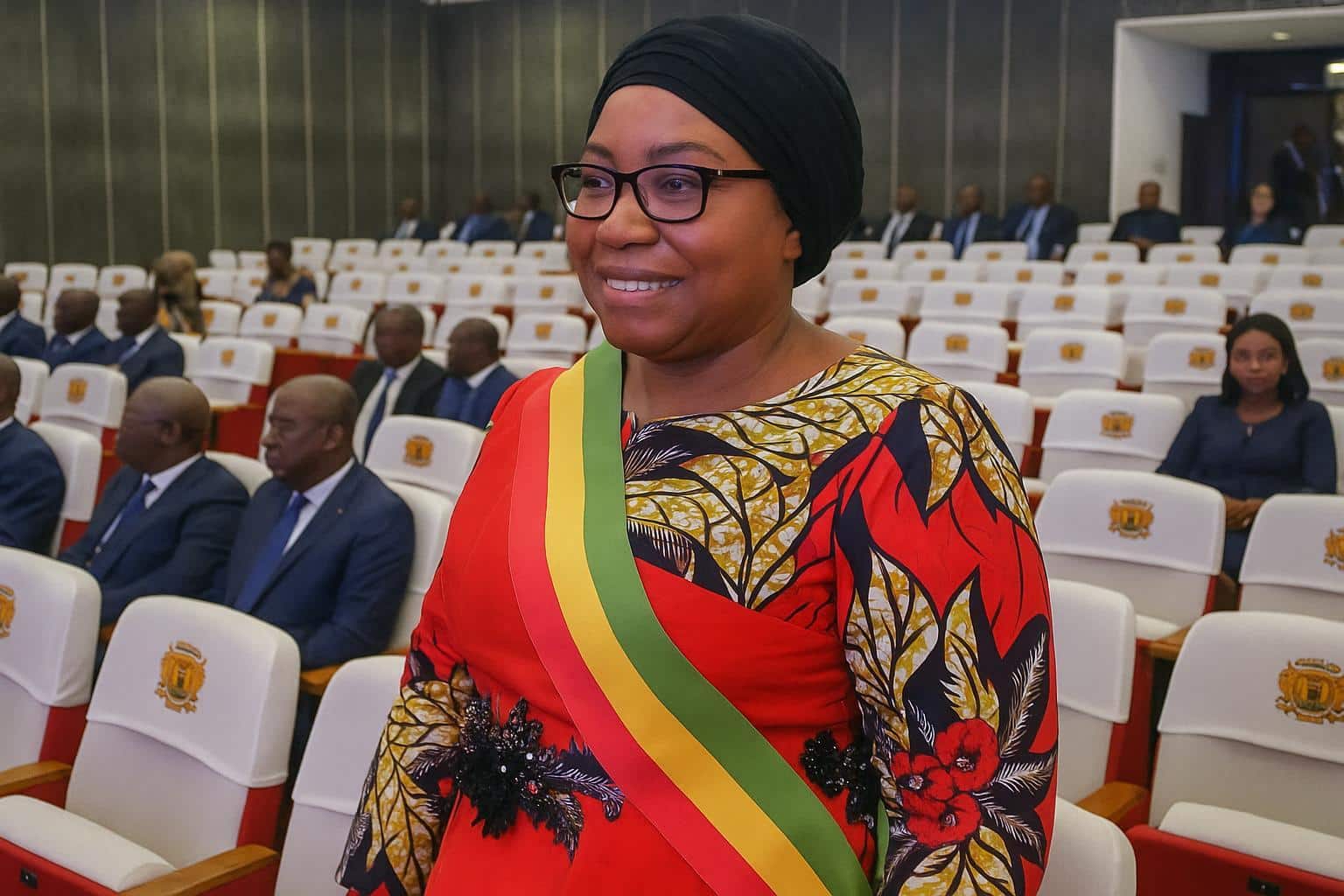
A Symbolic Address on the Republic’s Anniversary
Each 28 November, the Republic of Congo celebrates the proclamation that, six decades earlier, laid the institutional foundations of the nation. This year, the commemoration acquired a heightened resonance as President Denis Sassou Nguesso chose the occasion to deliver his constitutionally mandated message on the state of the nation before the two chambers assembled in congress at Brazzaville’s Palais des Congrès. In an atmosphere described by participants as both solemn and forward-looking, the Head of State articulated a narrative in which the preservation of peace and the nurturing of entrepreneurship emerge as the twin pillars of national resilience.
Peace as a Prerequisite for Development
Addressing lawmakers, the President underscored that peace cannot be reduced to the simple absence of armed conflict. Rather, it entails the eradication of any phenomenon that threatens public tranquillity or undermines citizens’ confidence in their daily activities. He cited the recent mobilisation of the Force publique against the rise of organised banditry—an operation designed to protect the informal sector where many women traders begin work at dawn and close long after dusk. By framing security as an indispensable public good, Mr Sassou Nguesso placed the issue squarely within an economic context: without safety in streets and markets, entrepreneurial energy withers and investment loses its appetite for risk.
Parliamentary Applause: The Voice of Loandjili
Among the MPs in attendance, Suzanne Kaba-Velé Mpan—representing Loandjili’s first constituency in Pointe-Noire—did not wait to express her endorsement. Moments after the session, she told reporters that she retained above all “the message of peace”. Her congratulatory tone echoed the President’s assertion that calm public spaces are the sine qua non for every other public policy objective. “Peace is an état de calme et de tranquillité,” she reiterated, insisting that its value is both moral and material. In doing so, the parliamentarian aligned herself with a discourse that positions security policy as a service to the most vulnerable economic actors, notably women micro-entrepreneurs whose margins depend on safe transport routes and well-policed markets.
Entrepreneurship: The Horizon for Congolese Youth
While peace formed the address’s moral backbone, entrepreneurship supplied its developmental thrust. The Head of State observed that, in the context of a global demographic wave and tightened public budgets, the State can no longer be the sole purveyor of employment. He therefore reiterated government initiatives led by the National Fund for Employability and Apprenticeship and by the Impulse, Guarantee and Support Fund—two mechanisms calibrated to ease young people’s passage from idea to enterprise. MP Kaba-Velé Mpan translated the institutional discourse into accessible terms: “Entrepreneurship is the act of undertaking,” she explained, emphasising that the entrepreneur is the carrier of a project designed to satisfy a need and generate value. Her gloss illustrated the pedagogical effort legislators now see as essential to embedding a culture of self-employment across urban and peri-urban constituencies.
From Policy to Practice: Challenges and Prospects
The convergence of security undertakings and entrepreneurial incentives sketches a development model in which public authority guards the perimeter while private initiative fills the space with productive activity. The approach nevertheless raises practical questions: how swiftly can anti-banditry operations translate into measurable reductions in market-day theft? Can guarantee funds cope with the growing appetite for seed capital? MP Kaba-Velé Mpan chose, on this commemorative day, to accentuate optimism, suggesting that the President’s twin focus places the country on a virtuous trajectory. Her confidence mirrors a legislative majority determined to convert strategic speeches into verifiable outcomes, yet observers note that sustained monitoring and transparent reporting will be critical if promises are to mature into durable gains.
A Political Message Tuned to Social Realities
By entwining peace and entrepreneurship, the Presidential address reflects a reading of Congolese realities that privileges interdependence: without public order, no grassroots commerce; without vibrant micro-businesses, no broad-based prosperity capable of reinforcing peace. The reaction from Loandjili’s MP therefore functions as more than a polite endorsement; it signals the capacity of the parliamentary bench to channel executive priorities into constituency-level advocacy. As the Republic steps into its sixty-eighth year, the effectiveness with which these agendas move from plenary hall to neighbourhood marketplace will likely shape both the economic horizon of a youthful population and the institutional credibility of those who guide it.